By Matteo Bianchi
At sunrise the harbour glows with the soft hum of possibility. Solar panels tilt toward the light; a tender glides silently across glassy water, leaving no trace. The air smells of salt and ozone — clean, new.
This is the future of yachting — a world where elegance and environmental intelligence sail in the same direction.
Quiet Revolutions
In Amsterdam’s Feadship Innovation Lab, engineers gather around a hull prototype shaped less like a vessel and more like an idea.
Hydrogen cells hum inside glass cases; screens map the invisible: power curves, wave friction, emissions reduced to whispers.
“Luxury used to mean noise,” says lead designer Anika de Wit, gesturing to a sleek 70-metre model. “Now it means silence.”
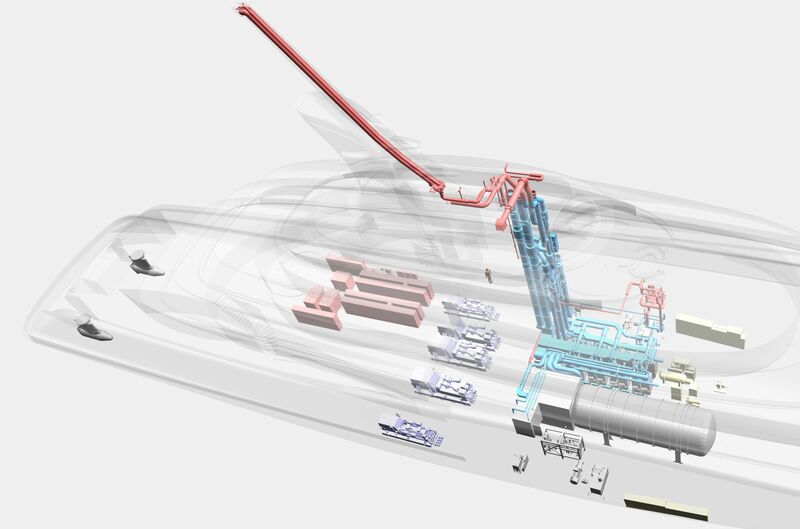
Feadship’s new hybrid system can glide for hours on battery power alone. When propulsion shifts to hydrogen, the exhaust is water vapour. The wake dissolves, almost apologetically, behind the stern.
Across the world, similar revolutions are unfolding. Lürssen tests methanol engines; Benetti experiments with solar skins that drink sunlight and feed power back to the grid when moored. The race toward cleaner seas has become, in its own way, the most elegant competition on Earth.
Rethinking the Materials of Beauty
Step into a modern shipyard and you smell not oil but innovation.
At Royal Huisman, composite experts work with flax fibre — a natural alternative to carbon — strong, light, and recyclable. Deck designers replace rare teak with thermally modified oak or bamboo that glows golden in the sun. Upholsterers craft seating from ocean-reclaimed plastics so soft you’d swear it was suede.
“Every new yacht is a research lab,” says Huisman materials engineer Daniel Vos. “Our clients expect beauty, but they also expect conscience.”
In the past decade, sustainability has moved from moral statement to aesthetic value. The finest owners now see restraint as refinement; minimal impact has become the new measure of prestige.
From Excess to Essence
The culture of yachting has changed as dramatically as its technology.
Once, the sea was a playground for excess — fuel-hungry engines, endless marble, the art of arrival. Today’s visionaries speak instead of continuity: of leaving a trail of light rather than smoke.
Yacht designer Espen Øino explains it simply: “The best compliment a captain can give me is that the ocean seems quieter when his boat passes.”
Charter guests, too, are changing. Families request itineraries that include coral nurseries in the Maldives, sea-grass restoration off Sardinia, beach-cleaning days in the Grenadines. These are not gimmicks; they are gestures of belonging.
At Nicholson Yachts, crews have begun partnering with local conservation groups. In Antigua, guests help release sea-turtle hatchlings at dawn — a small ceremony that turns leisure into legacy.
The Energy of Stillness
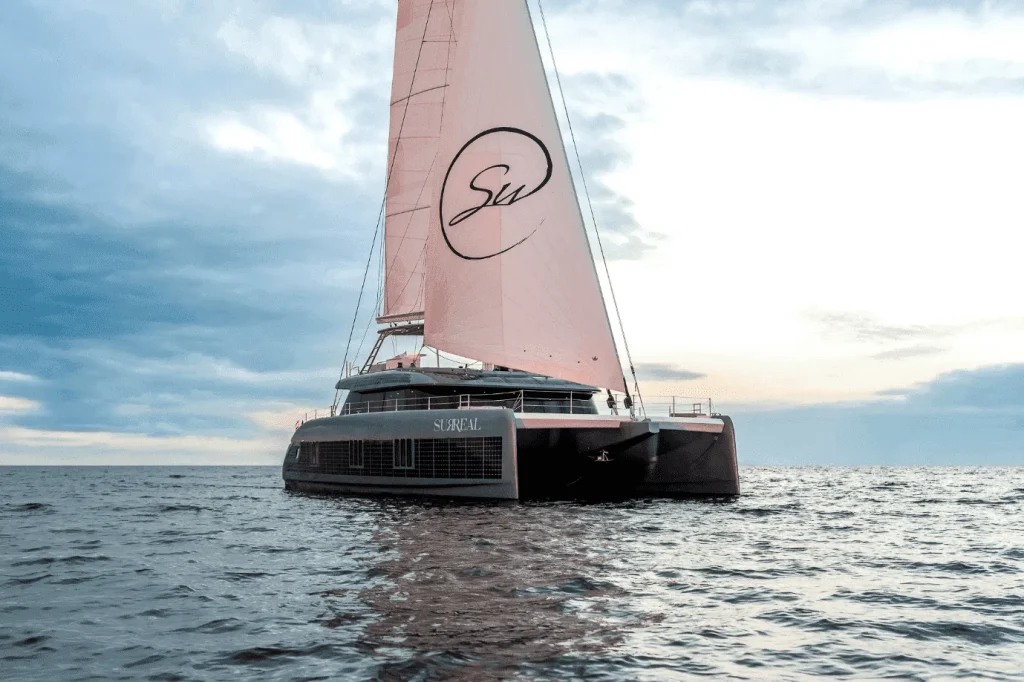
On board the hybrid catamaran Solara, Captain Mireille Rousseau demonstrates her favourite moment: shutting down the engines.
The vibration fades; conversation lowers; the ocean resumes its natural voice. “You feel the planet breathing,” she says. “That’s what silence gives back.”
Her vessel carries solar panels across its flybridge and a rain-harvesting system that fills glass carafes in the galley. Grey water is filtered and reused for deck wash. Guests swim knowing the sea beneath them is as untouched as when they arrived.
At night, Solara drifts under battery power, its lights dimmed to amber to protect nocturnal birds. “Sustainability isn’t a trend,” Rousseau adds. “It’s respect.”
Beyond the Horizon Line
The movement now stretches beyond engineering into culture itself. Yacht chefs source locally to reduce transport footprints; designers commission art from island cooperatives; captains plan passages by prevailing wind rather than shortest route.
In Norway, a fleet of electric tenders ferries guests to glacier hikes without disturbing seals. In the Pacific, Polynesian navigation traditions inspire new hybrid-rig sailboats that combine solar wings with ancestral wisdom of stars and swells.
Each innovation is a modern echo of something timeless: harmony between human craft and natural force.
A New Definition of Luxury
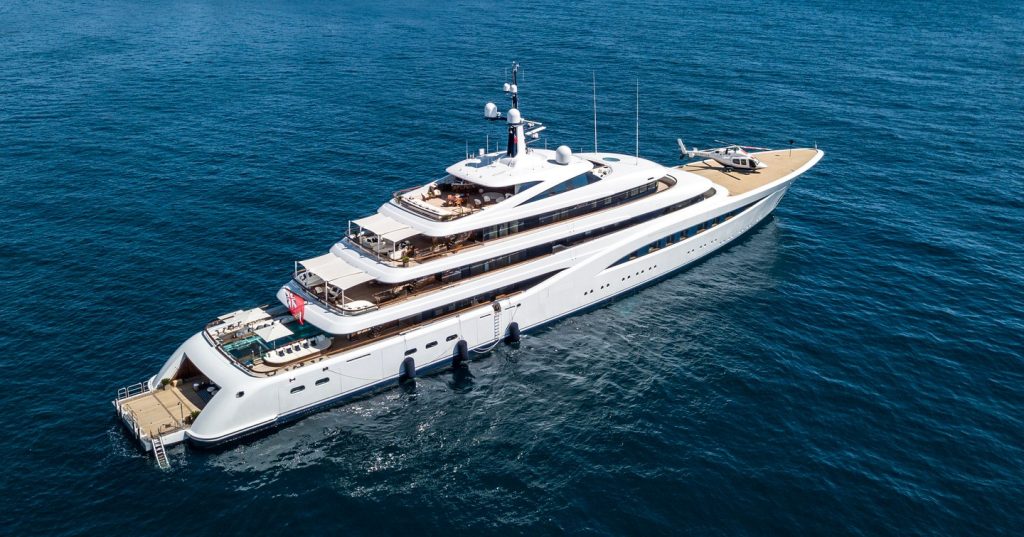
At the Monaco Yacht Show, amid the glare of polished chrome, the quietest stand draws the longest line. It belongs to a start-up displaying a single sheet of metal that shimmers like liquid glass. “It’s graphene,” explains founder Lena Ortiz. “Stronger than steel, thinner than silk, fully recyclable.”
She smiles when asked what she loves most about the sea. “Its memory,” she says. “The ocean remembers everything we do. Our job is to give it only beautiful things to remember.”
Around her, champagne corks pop and cameras flash — but the true future of luxury hums softly, powered by sunlight and imagination.
The Eternal Balance
Dusk settles over the harbour. A line of hybrid yachts glows faintly under the fading sky, their reflections trembling in green-gold water.
Somewhere beyond the breakwater, the old world of diesel and din still exists — but its days feel numbered.
Sustainability at sea is not a limitation; it’s liberation. It allows yachts to return to what they were always meant to be: quiet instruments of wonder.
For those who design, build, and sail them, the message is clear — the future is not faster, but cleaner; not louder, but truer to the rhythm of the waves.
The horizon itself seems to agree, turning one final shade of silver before night falls.