Yacht insurance is one of those subjects that sounds simple until you are faced with a policy wording, a charter contract, a marina requirement, and a planned crossing into a new cruising area. At that point, the details matter a great deal.
A private owner using a yacht for family cruising does not face the same exposure as an operator taking paying guests on charter. The yacht may be the same vessel, but the risk profile is not. Insurance responds to that difference through separate cover types, stricter warranties, and much closer attention to how the yacht is maintained, crewed, and operated.
What yacht insurance usually includes
Most yacht policies are built from a few core sections. Some are familiar, such as cover for damage to the vessel itself. Others sit in the background until a serious incident happens, such as pollution liability or wreck removal.
The easiest way to read a yacht policy is to split it into property cover, liability cover, and income protection where charter revenue is involved.
| Cover type | What it covers | More common for | Key watchpoint |
|---|---|---|---|
| Hull & machinery | Physical loss or damage to the yacht, machinery, fixed equipment, sails and sometimes tenders | Private owners and charter yachts | Navigation limits, deductibles, agreed value |
| Third-party liability | Damage to other boats, docks, harbour structures, and injury to third parties | All yachts | Adequate limits for the yacht’s size and use |
| Protection & indemnity (P&I) | Wider liabilities including crew claims, pollution, wreck removal, legal costs | Larger yachts and charter operations | Compliance with flag and safety rules |
| Charterers’ liability | Liability of the charterer, often relevant in bareboat arrangements | Charter companies and charter users | Strict link to charter terms and cruising area |
| Loss of hire | Lost charter income after insured damage puts the yacht out of service | Commercial charter operations | Proof of income and waiting periods |
A good policy does not just list cover. It also tells you when that cover stops, which is often where the real risk sits.
Private use and charter use are not the same
The first question an insurer will ask is how the yacht is used. Private pleasure use is one category. Commercial charter, occasional charter, bareboat charter, skippered charter, racing, and crewed operation all sit in different boxes.
Once paying guests come on board, the standard rises. Liability limits usually need to be higher. Crew documentation matters more. Safety drills, surveys, and maintenance records carry more weight. A yacht that earns income is treated differently because a claim can involve not just repair costs, but passenger injury, cancelled trips, refunds, and lost revenue.
Commercial use changes everything.
After that distinction is clear, the main differences usually look like this:
- higher liability limits
- stricter survey requirements
- more detailed crew and certification checks
- tighter maintenance obligations
- extra cover for charter income and passenger exposure
A common mistake is assuming a private yacht policy will still respond if the owner starts taking occasional paid charters. If commercial use is not declared and endorsed, a major claim can become far more difficult.
The main risks policies are built around
When people think of yacht insurance, they usually think about collision, grounding, storm damage, or fire. Hull & machinery cover is the section that responds to those events. If the yacht strikes a quay, takes on water, or suffers major structural damage after heavy weather, this is usually where the repair or total loss claim begins.
Liability is a separate issue. If the yacht damages another vessel during manoeuvring, injures a guest on a wet deck, or causes damage in a marina, liability or P&I cover is the part that responds. On larger yachts and charter yachts, this area can be far more financially serious than the physical damage to the yacht itself.
Crew and passenger exposure need special attention. Passenger claims may sit within liability or P&I, but crew are often treated differently. Medical costs, wage obligations, repatriation, and employer responsibilities can call for specific cover and careful compliance with employment and maritime rules.
Then there are the risks owners sometimes assume are included, but may not be. Piracy, terrorism, war risks, and some high-risk transits often need separate endorsement. The same can apply to named storm exposure in certain regions or seasons.
The broad pattern is usually this:
- Hull & machinery: damage from collision, grounding, weather, fire, sinking, theft, and some accidental loss
- Third-party liability: injury to others and damage to other property caused by the yacht
- P&I: pollution, wreck removal, crew liabilities, legal defence, and wider third-party claims
- War or piracy extensions: risks that standard yacht cover often excludes
- Loss of hire: income interruption after insured physical damage
That split is useful because one incident can trigger several parts of the programme. A grounding might damage the hull, injure a guest, spill fuel, and cancel multiple charters. One event, four separate insurance questions.
The exclusions that catch owners out
Most claim disputes do not start with dramatic facts. They start with wording around maintenance, use, or seaworthiness.
Wear and tear is a standard example. Insurance is there for accidental and sudden events, not for the slow decline of equipment over time. Corrosion, rot, gradual water ingress, neglected seals, fatigued wiring, and overdue servicing often sit outside cover. Mechanical breakdown can also be limited unless it follows an insured event.
Breach of navigation limits is another frequent issue. If the policy says the yacht is insured for the Mediterranean only, that is not a loose guideline. It is a warranty. Sail outside the agreed area without insurer approval and the policy may not respond when something goes wrong.
The points below are worth checking before any season starts:
- wear and tear
- gradual deterioration
- latent defect wording
- undeclared commercial use
- overdue surveys
- expired safety equipment
- operating outside navigation limits
- illegal or unlicensed activity
These are not minor technicalities. They are often the difference between a paid claim and a rejected one.
Navigation limits matter more than many owners expect
A yacht can be fully insured and still be uninsured in the wrong place.
Policies often define where the yacht may operate by region, distance offshore, season, or named exclusion zones. Inland waters, coastal waters, Mediterranean cruising, Caribbean cruising, Atlantic passages, and worldwide cover are all different risk categories. Premiums rise as exposure rises, especially where storms, open sea conditions, or security concerns are greater.
This matters just as much for charter as for private cruising. A bareboat charter agreement may only permit use within a tightly defined area. A skipper who pushes beyond that limit may create a problem not just under the charter contract, but under the insurance as well.
Some regions also carry seasonal restrictions. Hurricane clauses are a good example. If the yacht is in a named area during part of the year, the policy may require relocation, storm planning, or a haul-out arrangement.
Risk management starts long before a claim
Insurance is only one layer of protection. The stronger layer is the day-to-day discipline that prevents the loss from happening in the first place.
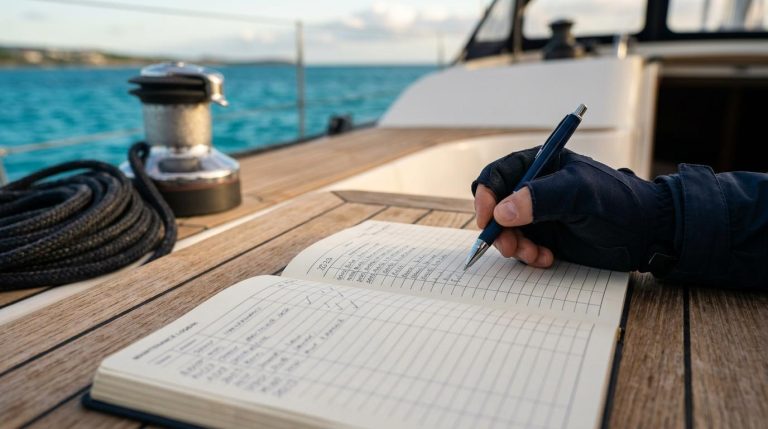
Maintenance sits at the centre of that. Engines, generators, seacocks, pumps, batteries, bilge alarms, firefighting gear, and navigation systems all need planned servicing, not reactive attention. A clear maintenance log helps operationally and can also help when an insurer asks whether the yacht was properly looked after before a casualty.
Crew standards matter just as much. Certified, experienced crew reduce the chance of collision, guest injury, poor watchkeeping, and emergency mistakes. On charter yachts, this can shape the insurer’s appetite as much as the yacht’s age or value.
Technology helps, but only if it is backed by good procedure. AIS, radar, weather routing, remote monitoring, bilge sensors, CCTV, and engine alerts can all reduce loss frequency. They do not replace seamanship, but they do improve awareness and reaction time.
The practical habits that most often make a difference are fairly consistent:
- Maintenance records: keep dated logs for servicing, repairs, inspections, and haul-outs
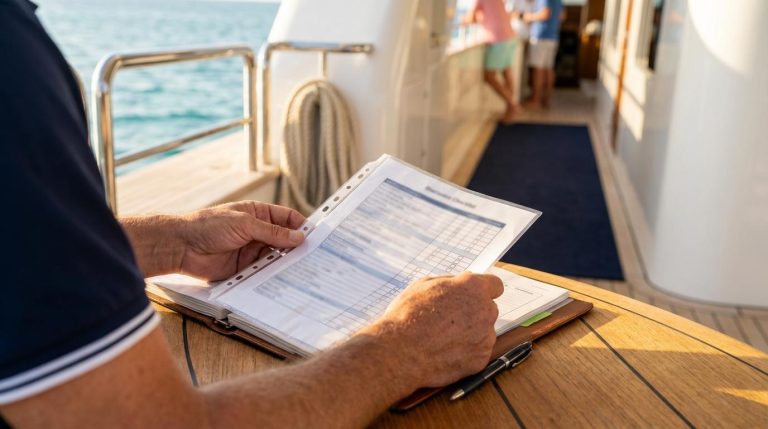
- Safety readiness: check life-saving and firefighting equipment before each voyage, not just at survey time
- Crew compliance: match licences, medicals, and training certificates to the yacht’s operation and flag requirements
- Voyage planning: review weather, route, fuel, watchkeeping, and port restrictions before departure
- Security measures: lock tenders and portable equipment, use alarms and tracking where sensible, and review high-risk ports carefully
A well-run yacht is not only safer. It is also easier to insure properly.
Charterers need to read beyond the brochure
Charter guests often assume the yacht’s insurance automatically protects everyone on board in every scenario. That is too simple.
With a crewed charter, many of the operational risks remain with the owner and operator, provided the yacht is being used within the agreed terms. With a bareboat charter, the charterer can take on much more responsibility. Damage to the yacht, liability to third parties, and breaches of the cruising area or charter conditions may all sit much closer to the charterer than expected.
That is why charterers should ask direct questions before boarding or signing:
- Is the charter crewed or bareboat?
- What is the security deposit for?
- Is there a damage waiver, and what does it actually waive?
- Who is liable if a guest causes damage?
- Which waters are permitted?
Those questions are far less exciting than choosing an itinerary, but they are usually far more useful if something goes wrong.
Where management support fits in
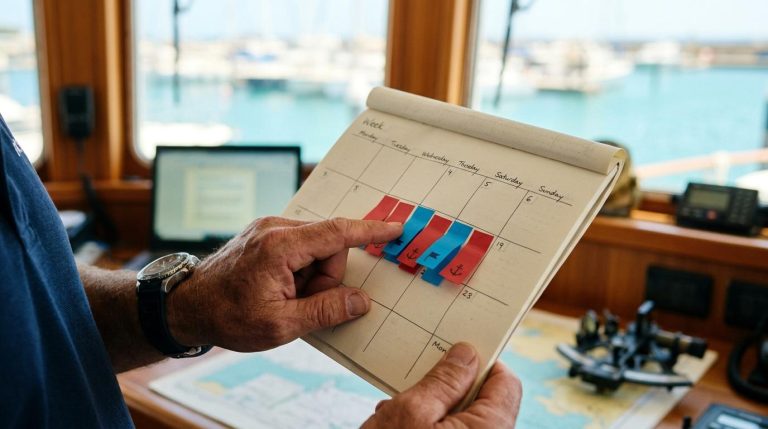
Specialist marine insurers and brokers arrange the policy, but yacht managers and charter managers often help reduce the operational risk around it. That can mean keeping surveys current, checking crew paperwork, coordinating maintenance schedules, tracking charter use, and making sure the yacht is working within the right legal and flag framework.
For owners placing a yacht into charter, that support can be especially valuable. Insurance still comes from the marine market, yet good management helps keep the yacht in a position where cover remains valid and claims are less likely in the first place.
What to review before renewing a policy
Renewal should not be treated as an admin task. It is the right time to check whether the policy still matches the yacht’s real use.
Has the cruising area changed? Has the yacht moved into charter? Have refit works changed value? Are there new tenders, toys, or high-value equipment on board? Has the owner reduced or increased crew? Has the operating season shifted?
If the answer to any of those is yes, the insurance structure may need to change as well. A policy that was sensible last season can be thin, outdated, or even misleading this season.
That is why the best yacht insurance decisions tend to be the least glamorous ones: reading warranties closely, asking awkward questions, matching the cover to the operation, and treating risk management as part of running the yacht rather than paperwork that sits in a drawer.