Breakthrough: The First Hydrogen-Powered Superyacht Set to Debut at 2025 Monaco Yacht Show
The 2025 Monaco Yacht Show will feature an extraordinary vessel that is set to redefine modern yacht engineering. Feadship’s Project 821, now known as Breakthrough, is a 118.8-meter superyacht that integrates groundbreaking hydrogen technology. As the largest yacht confirmed for the show, Breakthrough is not only a marvel of engineering but also a testament to sustainable innovation in yacht building.
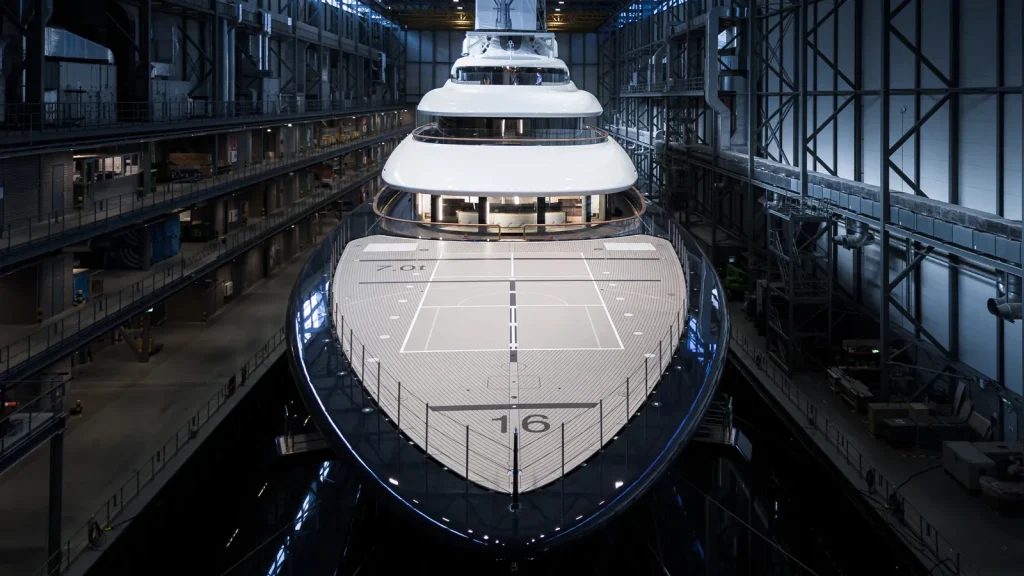
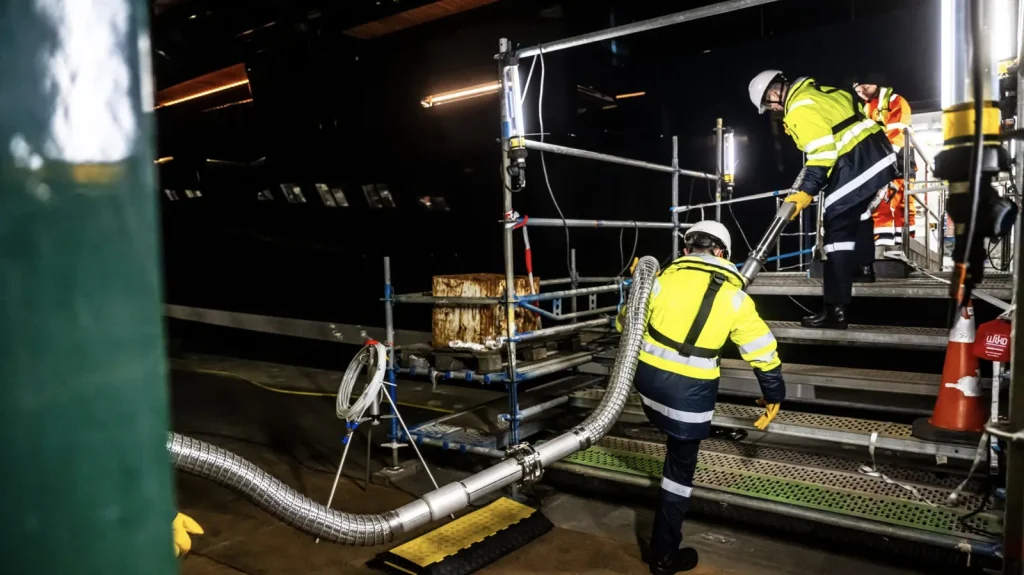
Breakthrough stands as a pioneering achievement in maritime engineering, being the first superyacht to utilize liquid hydrogen fuel cells. This technology is at the core of the vessel, featuring a 3.2mW fuel cell system that operates on cryogenic liquid hydrogen stored at a remarkable -253°C. This system efficiently generates electricity for onboard needs and coastal cruising, producing only water as a byproduct. In June 2025, Breakthrough became the first superyacht to receive liquid hydrogen bunkering in the Netherlands, necessitating the development of new regulations and infrastructure.
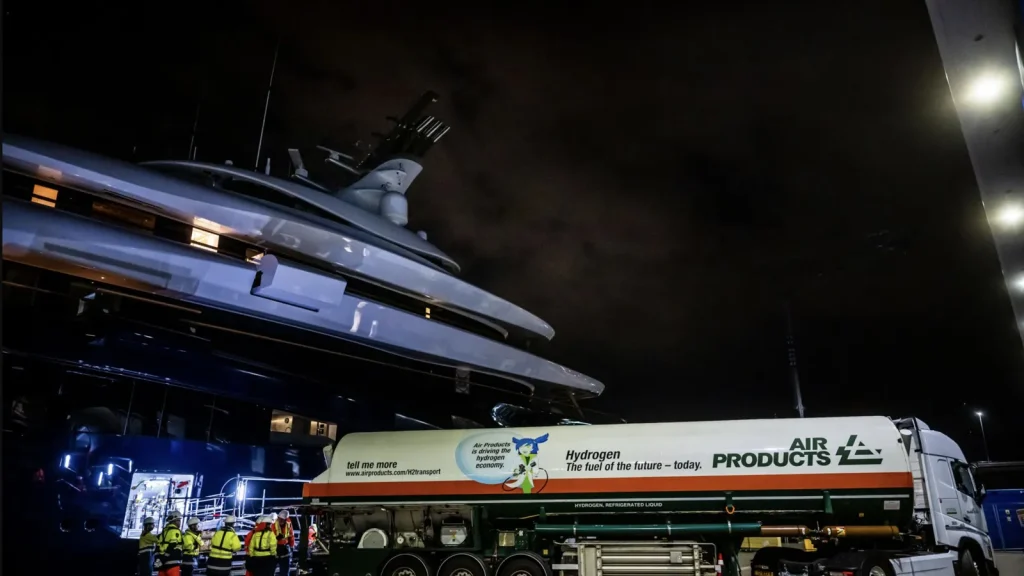
The yacht’s hybrid setup allows for seamless transition between hydrogen fuel cells and conventional diesel-electric power. While the hydrogen system currently cannot support transoceanic voyages, it significantly reduces emissions during the “hotel load” phase, which accounts for the majority of the yacht’s annual energy consumption. This innovation marks a significant step forward in reducing the environmental impact of large vessels.
Sculptural Design with Over 20 Balconies and Openings
Breakthrough’s design is a testament to the harmonious blend of form and function. Despite matching the length of other notable Feadship projects, Breakthrough surpasses them in volume by approximately 30 percent. This achievement is due in part to the creative collaboration between British studio RWD and the Dutch shipyard, who have incorporated an unprecedented number of hull apertures—fourteen balconies and seven unfolding platforms—into the design. These features contribute to the yacht’s sleek and elegant appearance, while maximizing interior space and light.
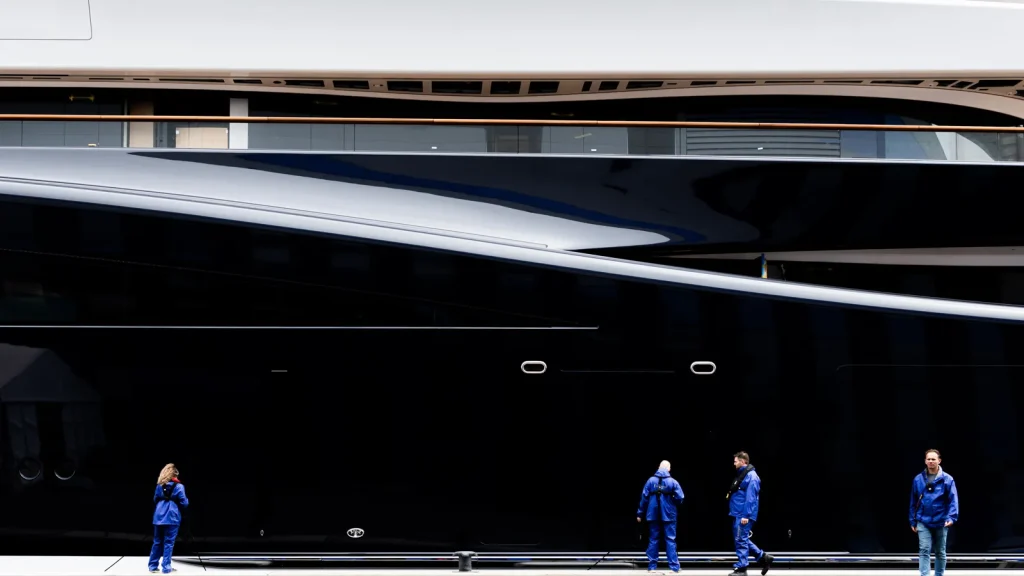
The yacht’s design philosophy extends beyond aesthetics, with a focus on creating a refined, residential atmosphere. The interior is characterized by a sculptural staircase that spirals around a central lift, framed by expansive glass and clear balustrades. The use of materials like rattan, taupe eucalyptus, and textured leather enhances the warm, coastal ambiance, offering a serene contrast to the high-tech systems below deck.
Breakthrough: Second-Largest Yacht on the Market
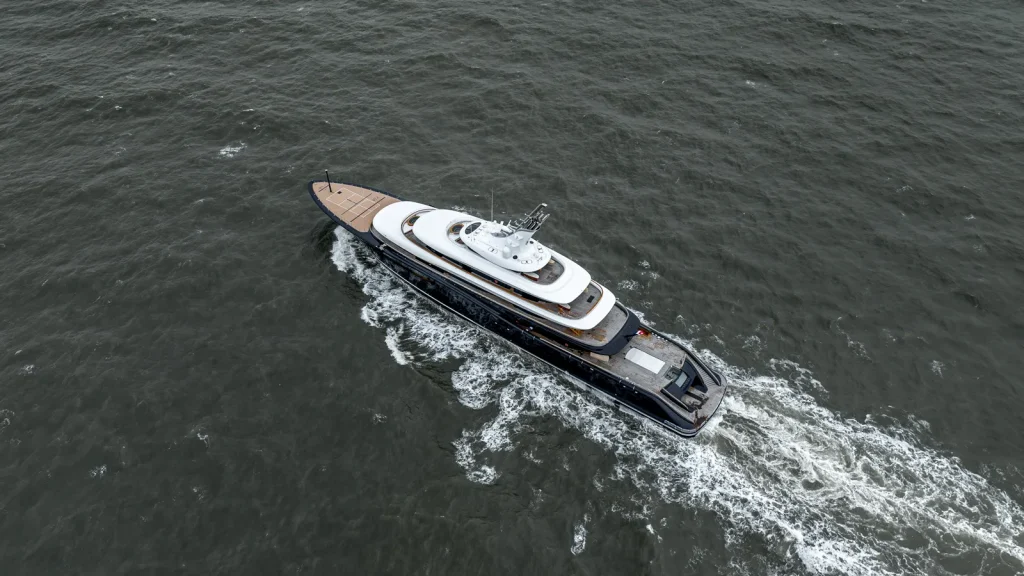
Listed for sale through Edmiston, Breakthrough is currently the second-largest yacht available on the market, following its launch. This vessel presents a unique opportunity for buyers interested in next-generation marine technology, combining proven hydrogen capability with the comfort and scale expected of a superyacht. Jamie Edmiston, the chief executive of Edmiston, has described Breakthrough as an extraordinary yacht that sets a new standard in the industry.
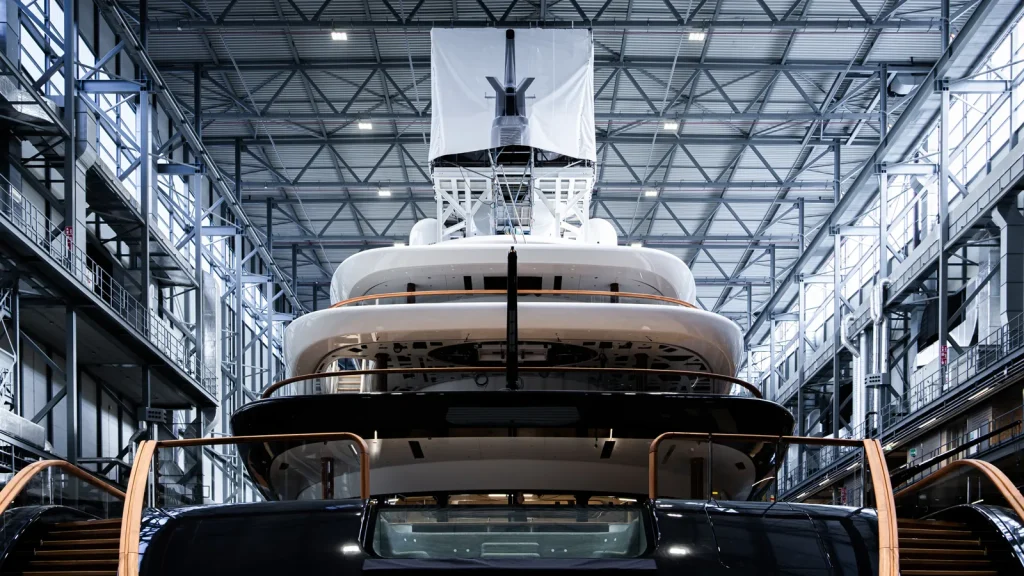
As the largest motor yacht ever launched in the Netherlands, Breakthrough is a flagship vessel for Feadship. The only Dutch-built yacht that slightly exceeds its size is the 125.8-meter sailing yacht Koru, launched by Oceanco in 2022. Breakthrough’s innovative features and sustainable technology make it a significant milestone in yacht construction, offering a glimpse into the future of maritime design and engineering.
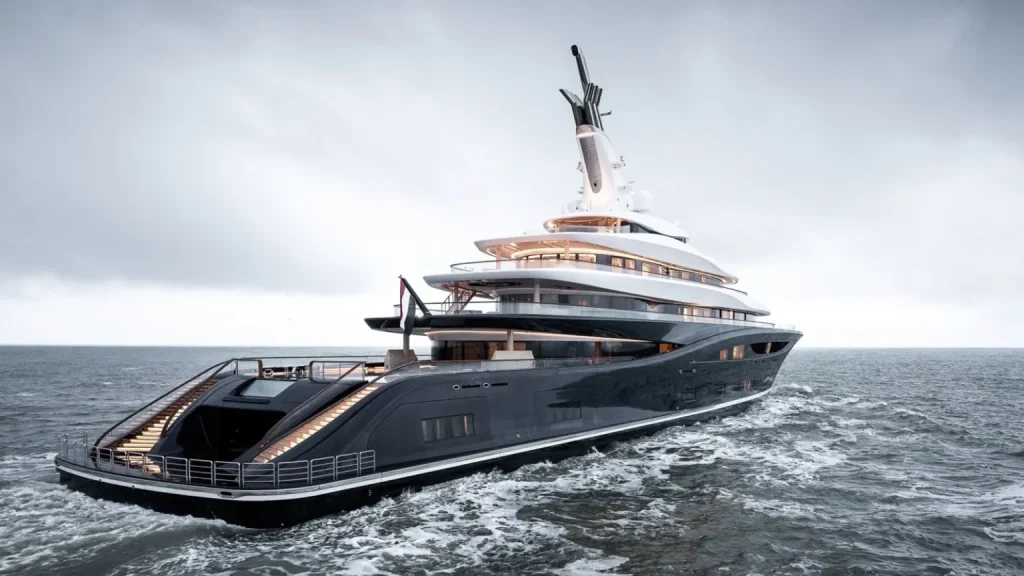
Breakthrough represents a significant advancement in yacht technology and design, setting new standards for sustainability and innovation. As the first superyacht to incorporate liquid hydrogen fuel cells, it paves the way for future developments in environmentally conscious yacht building. With its sculptural design and advanced engineering, Breakthrough is poised to make a lasting impact at the 2025 Monaco Yacht Show and beyond.
This article has been sourced from press releases and cross-referenced with multiple trusted websites. Facts originally seen at Source along with other Sources. Images are credited to Source. While efforts have been made to ensure accuracy, readers are encouraged to verify details independently.